

Healthcare technology adoption continues to accelerate across outpatient care settings, with digital platforms increasingly influencing how clinics attract, engage, and retain patients. Aesthetic practices face growing competition as more providers enter the market, making patient acquisition a critical challenge. Many clinics are turning to integrated software systems and data-driven processes to improve efficiency and visibility. Resources from MD Consulting NY discussing aesthetic practice marketing strategy highlight the growing need to connect patient outreach efforts with operational data. Modern software tools help clinics better understand where new patients come from and how they move through the consultation and treatment journey.
The Challenge of Attracting Patients in Competitive Aesthetic Markets
The aesthetic industry has expanded significantly over the past decade. Services such as injectables, laser treatments, skin rejuvenation procedures, and wellness-focused offerings are now available from a wider range of providers than ever before. While increased demand creates opportunities, it also increases competition.
Many clinics face difficulties in identifying which marketing channels generate the highest-quality leads. Others struggle with managing inquiries that arrive through websites, social media platforms, email campaigns, online directories, and referral networks. Without centralized systems, important patient interactions can be overlooked.
Experts at the American Medical Association note that digital communication tools are becoming an increasingly important part of patient engagement strategies, reflecting broader changes in how consumers interact with healthcare providers.
Experts note that delayed responses, inconsistent follow-up processes, and fragmented communication can reduce conversion rates. As patient expectations continue to rise, clinics require more efficient ways to manage interactions from initial inquiry through treatment completion.
The Growth of Practice Management Software
Practice management software emerged initially as a tool for scheduling appointments, managing patient records, and streamlining administrative tasks. Today, these platforms perform a much broader role.
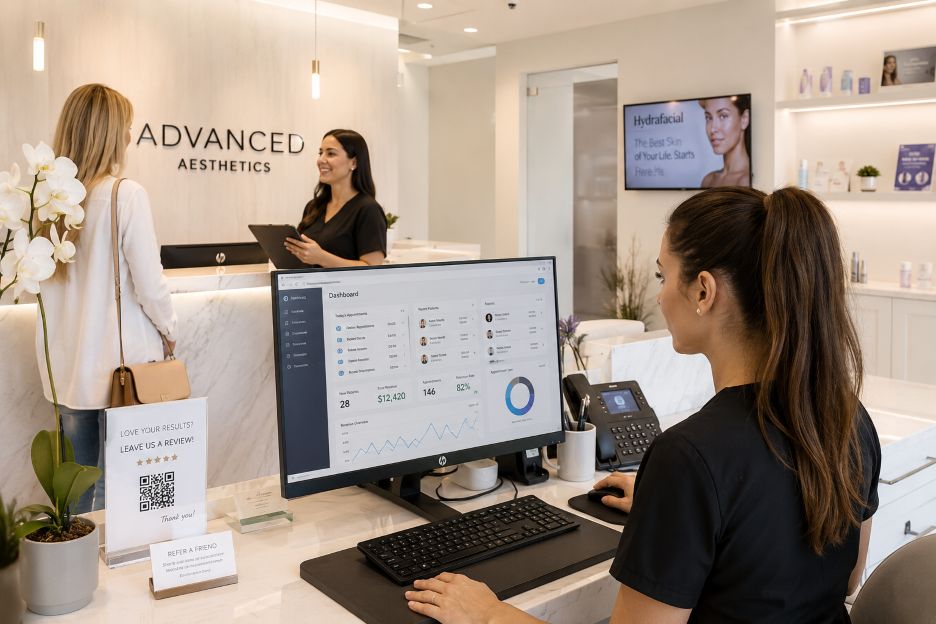
Modern systems combine operational functions with patient engagement capabilities. Clinics can automate appointment reminders, track treatment histories, process payments, manage digital forms, and monitor patient communications through a single interface.
Data from Healthcare Information and Management Systems Society (HIMSS) shows that healthcare organizations increasingly rely on digital solutions to improve workflow efficiency and patient experience. As software platforms become more sophisticated, they provide clinics with valuable insights into patient behavior and business performance.
Rather than relying on manual spreadsheets or disconnected systems, aesthetic practices can use centralized platforms to create a clearer view of their operations. This visibility allows clinic managers and providers to identify bottlenecks, improve response times, and make more informed business decisions.
Integration of Marketing and Patient Tracking Tools
One of the most significant developments in recent years has been the integration of marketing functions within practice management systems. Instead of treating marketing and patient management as separate activities, many software providers now connect them through shared data.
For example, a prospective patient may discover a clinic through a social media advertisement, submit a website inquiry, schedule a consultation, and eventually receive treatment. Integrated software can track each step of that journey.
This level of visibility helps clinics understand which campaigns generate meaningful engagement rather than simply producing website traffic. Marketing teams can evaluate lead quality, consultation bookings, treatment acceptance rates, and long-term patient value.
Research from Salesforce indicates that organizations across industries increasingly prioritize customer relationship management systems because they help unify customer interactions and improve personalization. Similar principles apply within aesthetic healthcare settings.
Integrated systems may also automate routine communication tasks such as:
- Consultation confirmations
- Appointment reminders
- Follow-up messages after treatments
- Review requests
- Educational content delivery
- Reactivation campaigns for inactive patients
These automated workflows can help clinics maintain consistent communication while reducing administrative workload. Staff members spend less time handling repetitive tasks and more time focusing on patient care.
Aligning Software with Business Goals
Technology alone does not guarantee growth. Software is most effective when it supports clearly defined business objectives.
Many clinics seek to increase consultation bookings, improve conversion rates, strengthen patient retention, or expand awareness in local markets. Practice management platforms provide data that can support these goals, but strategic planning remains essential.
For example, if a clinic aims to improve consultation attendance, software can identify patterns associated with no-shows. Automated reminders, confirmation requests, and personalized follow-up messages may help reduce missed appointments.
If patient retention is the priority, software can track treatment intervals and identify patients who may be due for follow-up services. Automated outreach can encourage continued engagement without requiring extensive manual effort.
Industry analysts from Gartner emphasize the importance of using data analytics to guide operational decision-making. Within aesthetic clinics, this means translating software-generated insights into practical actions that support long-term growth.
The connection between technology and business strategy becomes increasingly important as competition grows. Clinics that understand their patient acquisition funnels can allocate resources more effectively and make evidence-based decisions regarding marketing investments.
Improving the Patient Experience Through Technology
Patient acquisition does not end when someone schedules an appointment. The overall experience plays an important role in whether individuals proceed with treatment and recommend the clinic to others.
Digital intake forms, online scheduling tools, secure messaging platforms, and automated communications can simplify the patient journey. These conveniences align with broader healthcare trends emphasizing accessibility and efficiency.
Pew Research Center studies consistently show widespread digital engagement among consumers when researching products and services. Patients increasingly expect similar convenience when interacting with healthcare providers.
Practice management software can help meet those expectations by reducing friction throughout the patient lifecycle. Faster communication and easier scheduling contribute to a smoother experience that supports both satisfaction and retention.
Future Software Developments for Aesthetic Clinics
The next generation of practice management technology is expected to incorporate even more advanced capabilities. Artificial intelligence, predictive analytics, and enhanced automation are already beginning to influence healthcare software development. These changes also reflect broader software technology trends, including cloud computing, user-centered design, cybersecurity, and smarter data tools.
Industry observers from Deloitte note that AI-powered systems are becoming more capable of identifying patterns within large datasets. In aesthetic clinics, future software may help predict patient demand, recommend follow-up schedules, and identify opportunities to improve operational efficiency.
Advanced reporting tools may also provide deeper insight into marketing performance, patient preferences, and treatment trends. Clinics could gain a more comprehensive understanding of how patients discover services and what factors influence their decision-making processes.
At the same time, data privacy and cybersecurity will remain important considerations. As software platforms manage larger volumes of patient information, compliance with healthcare privacy regulations and security standards will continue to be a priority.
Conclusion
Aesthetic clinics operate in an increasingly competitive environment where attracting and retaining patients requires both effective communication and operational efficiency. Practice management software has evolved beyond scheduling and recordkeeping to become a central component of patient acquisition and engagement efforts.
By integrating marketing activities, patient tracking, communication workflows, and performance analytics, these platforms provide clinics with a clearer understanding of how prospective patients move through the decision-making process. When aligned with broader business objectives, digital management tools can help organizations improve responsiveness, strengthen patient relationships, and make more informed growth decisions.
As software capabilities continue to expand through automation, analytics, and artificial intelligence, aesthetic clinics will likely gain even greater opportunities to connect operational data with strategic planning. The result is a more coordinated approach to patient acquisition that supports both efficiency and long-term practice development.